Soyia Ellison is director of storytelling at 麻豆传媒色情片.
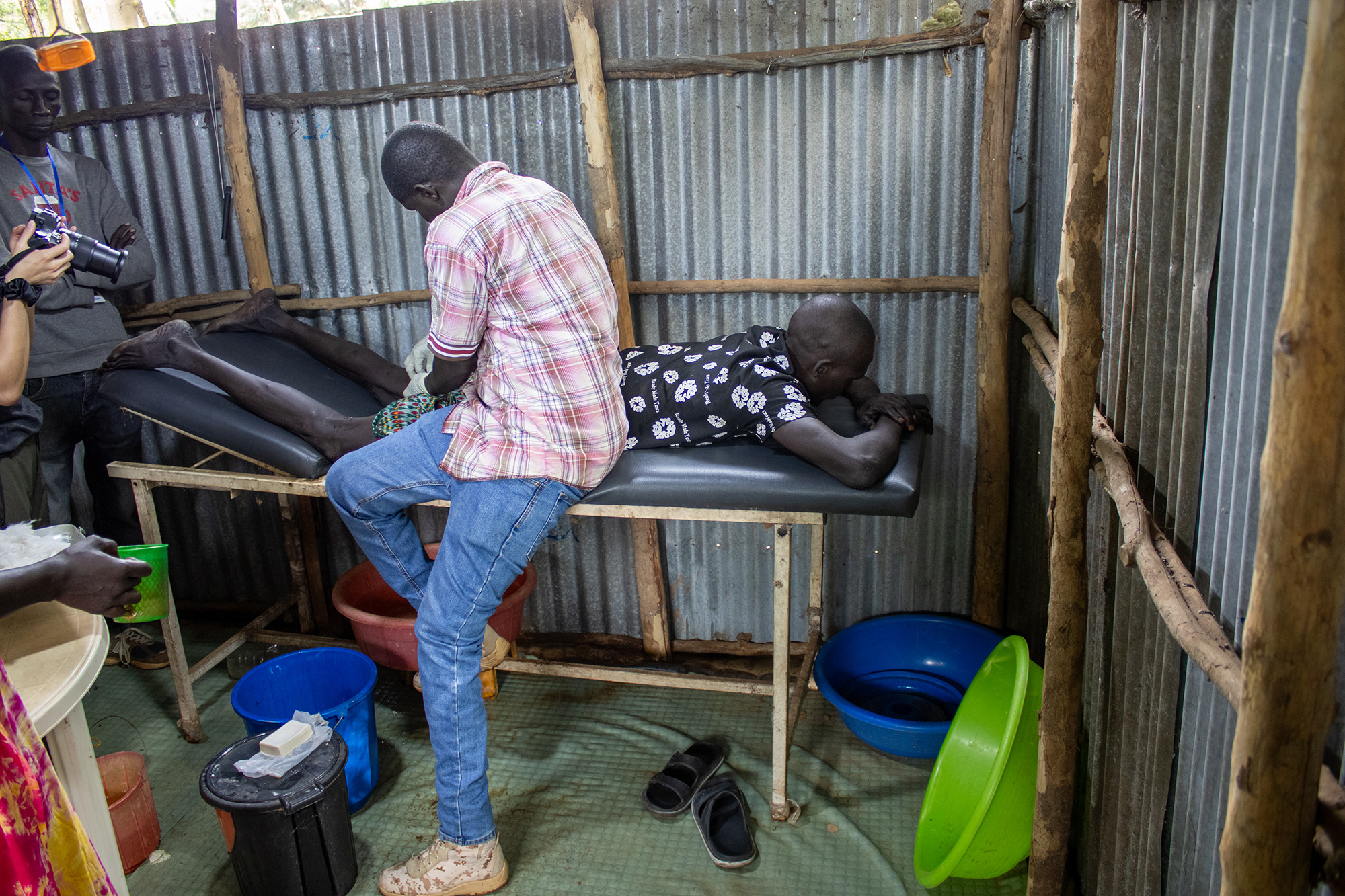
Omod Ogebo peeled the bandages from his patient鈥檚 thigh, took hold of a small, twisted piece of gauze resting beneath them, and began carefully unwinding the creature wrapped inside it.
And there it was.
麻豆传媒色情片 nearly 11 years at 麻豆传媒色情片, I had come face to face with my first living Guinea worm.
There aren鈥檛 that many chances to meet one these days; the world saw just 15 human cases of Guinea worm last year, down from roughly 3.5 million a year when we started working on the disease in 1986.
This worm 鈥� the one inching its way out of the thigh of a 32-year-old farmer and forager named Ojot 鈥� is the first to torment an Ethiopian in nearly three years.
Its existence is deeply disappointing to the hundreds of Carter Center staff in Ethiopia, who had reason to believe they鈥檇 seen their last human case. I share their disappointment. But as a relative newcomer to the ins and outs of our Guinea worm work, I came away from my encounter with the worm more encouraged than disheartened.
So many things went right.
Caught in Time
Carter Center staff and volunteers have done such a good job of educating residents about signs and symptoms that Ojot suspected there was a Guinea worm beneath the painful bump on his thigh and reported his case before the worm poked through his skin.
That鈥檚 critically important, because only after it emerges can it release its microscopic larvae into water sources.
There will be no children or grandchildren for this worm.
And thanks to the Carter Center team鈥檚 extensive network and effective protocols, they were able to determine when and where Ojot likely came in contact with the Guinea worm larvae 鈥� and who was with him at that time.
They鈥檙e keeping close watch on the 15 men who accompanied Ojot on a trip into the bush to hunt for wild honey and yams. The leading theory is that someone in the group didn鈥檛 properly filter water that he collected for himself and others on that trip.
Every day, someone from the team checks in via call or text with each member of the foraging party. And if they can鈥檛 reach them by phone, they get on their motorbikes and go out to find them in person.
They鈥檒l keep checking on them until about 14 months after the trip, when they know the Guinea worm鈥檚 incubation period has passed.
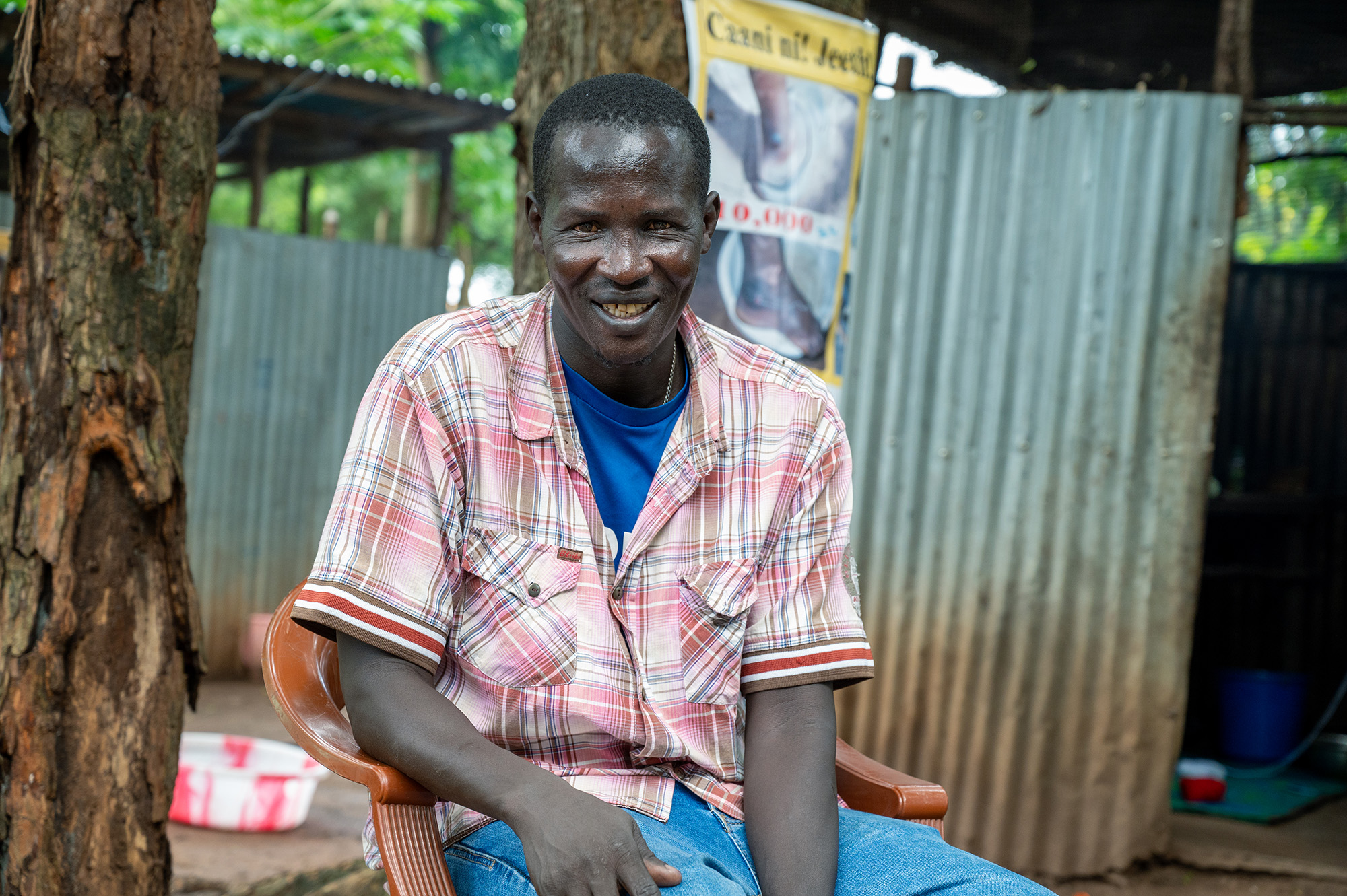
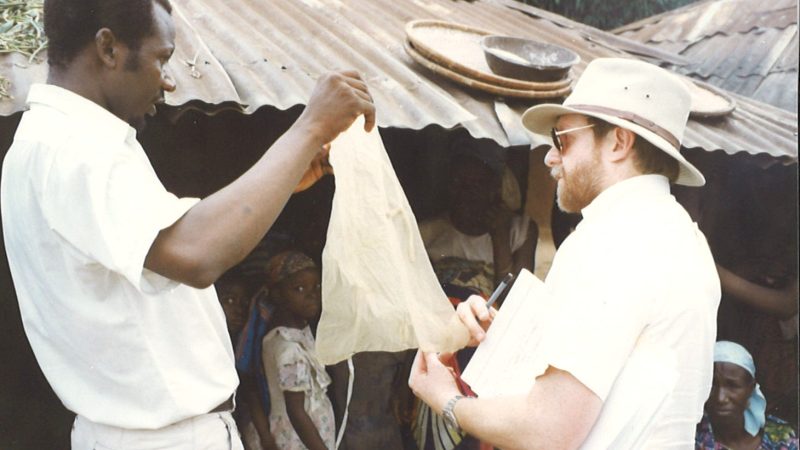
Ogebo 鈥� the nurse responsible for slowly pulling the worm from Ojot鈥檚 leg 鈥� is spearheading the tracking of these men. He also runs the case containment center, a clean and cheerful compound where anyone in the district of Gog with a suspected case stays while the team treats their wounds.
Four people besides Ojot were staying there when I visited. 麻豆传媒色情片 provides free room, board, and wound care until the staff determines it鈥檚 safe for them to return to their homes.
鈥淚 like this job,鈥� said Ogebo, who has been with the Center for 15 years. 鈥淭his disease has been a long time in this country, and our families and brothers and sisters have been suffering. We want to eradicate it.鈥�
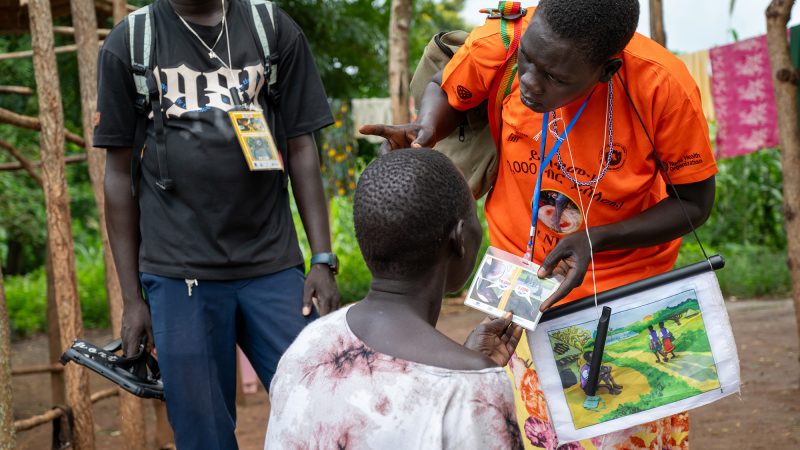
Motivated by her own childhood experience with Guinea worm disease, Abang Akway teaches her community in Umaha village in Abobo, Ethiopia, how to prevent infection.
A Dedicated Trio
So many others I met shared his passion and dedication.
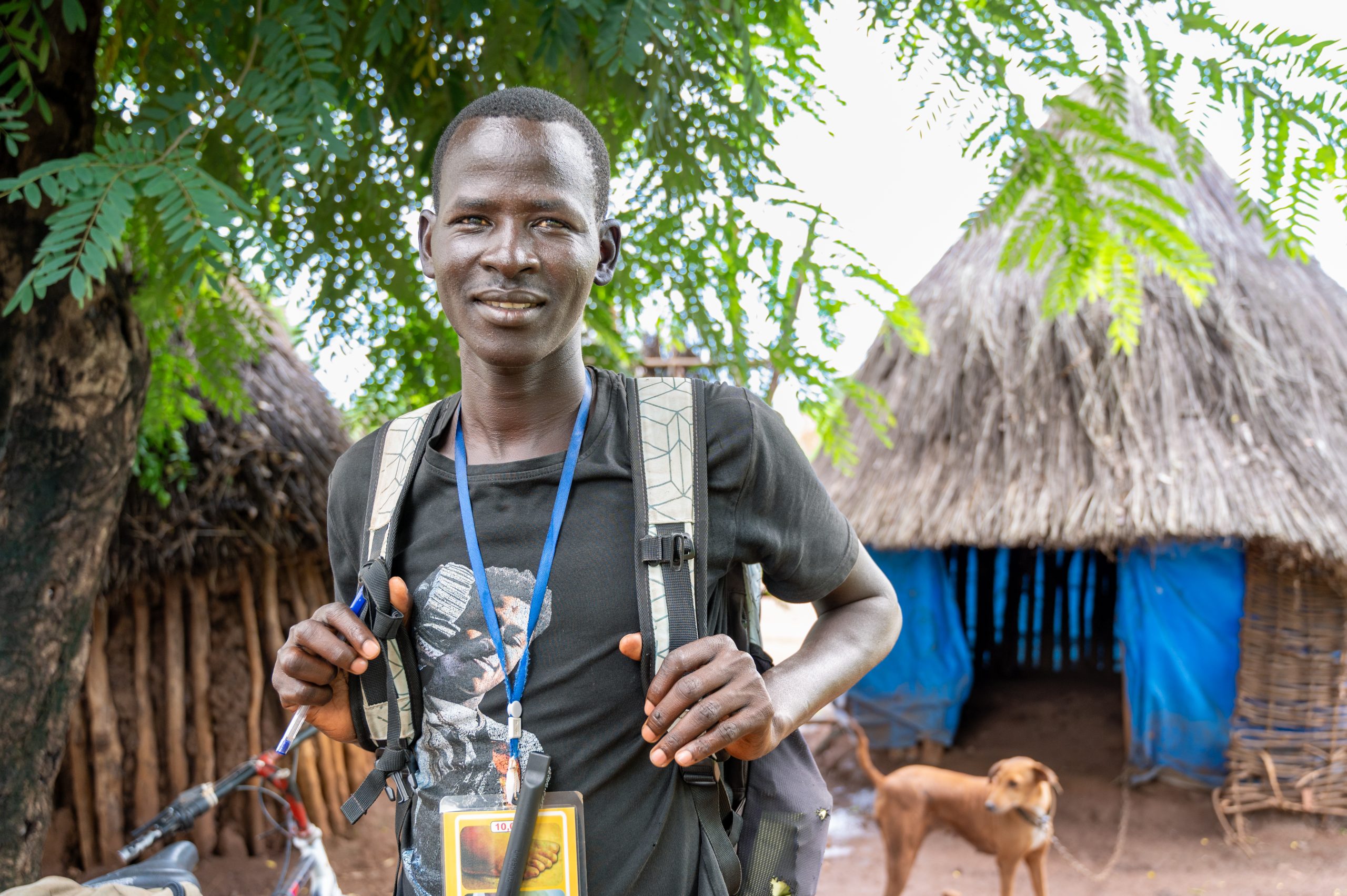
Abang Akway, a 22-year-old volunteer, visits each household in her village of Umaha three times a week, carrying a fabric flipbook featuring colorful drawings that depict Guinea worm transmission and symptoms to make sure her neighbors remain vigilant.
Akway had a Guinea worm when she was a child. She told me she still recalls the Carter Center staffer who took her to the nearest case containment center on his bicycle 鈥� a ride that took two hours 鈥� and she doesn鈥檛 want anyone else to suffer as she did.
I also met Chiel Otong, who is responsible for applying a mild larvicide in ponds in his community. He鈥檚 been at the job for five years, working with community members who are paid a day rate to remove grass and muck before the pond is treated.
Otong and his teams clean and re-treat each pond every 28 days 鈥� in punishing heat or torrential rain 鈥� because that鈥檚 what it takes to protect the drinking water.
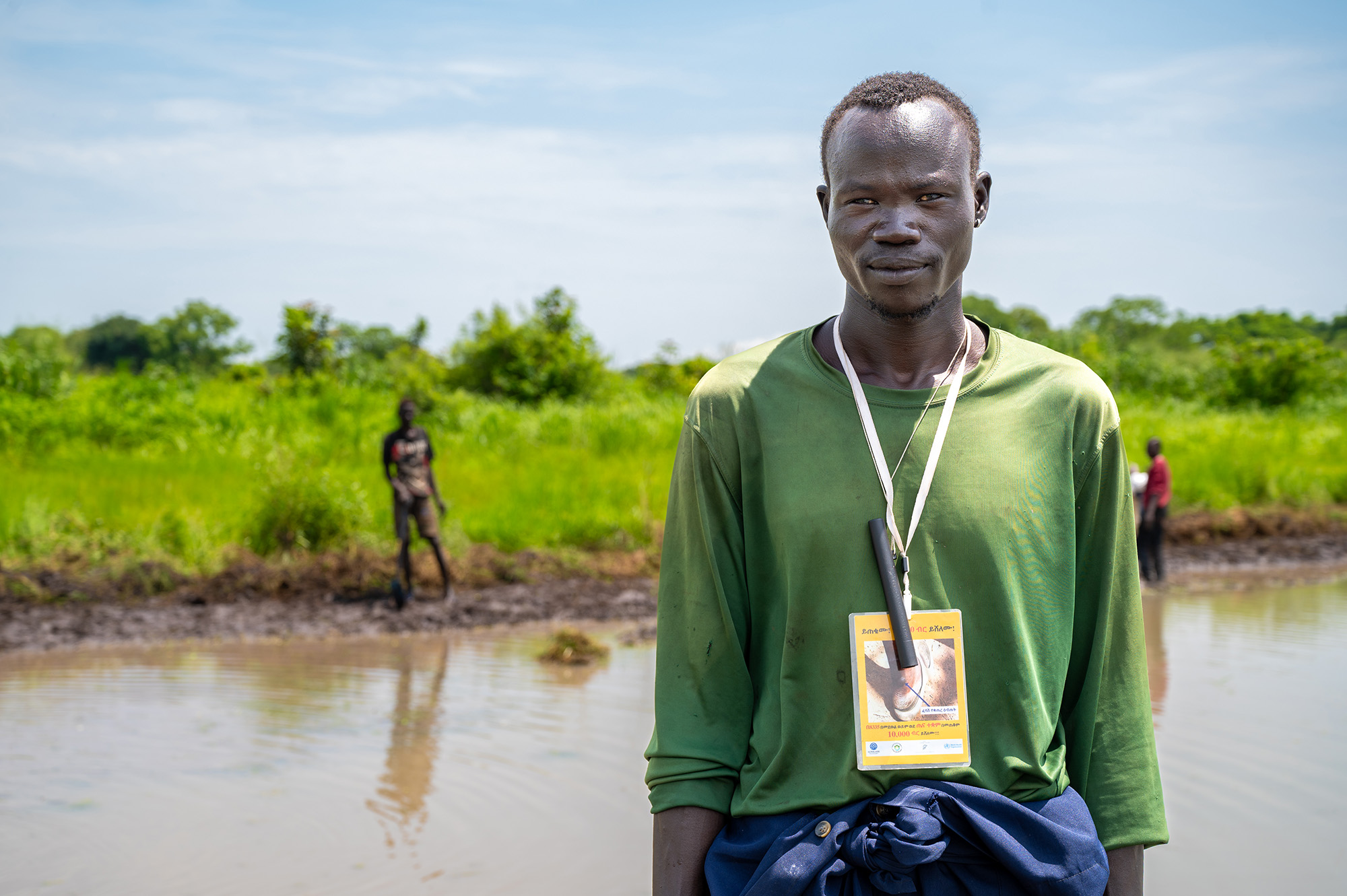
And then there was Joseph Okello, a field officer whose duties include working on the proactive dog tethering program in the village of Athete. He doesn鈥檛 even need to consult his notes to tell you that Athete is home to 53 dogs and 43 dog owners. 麻豆传媒色情片 helps build and maintain 鈥渢ukuls鈥� 鈥� the word for doghouses in the 脴t Gw枚k language 鈥� plus dog food, veterinary services, and fencing for a dog park where the animals can play safely off leash.
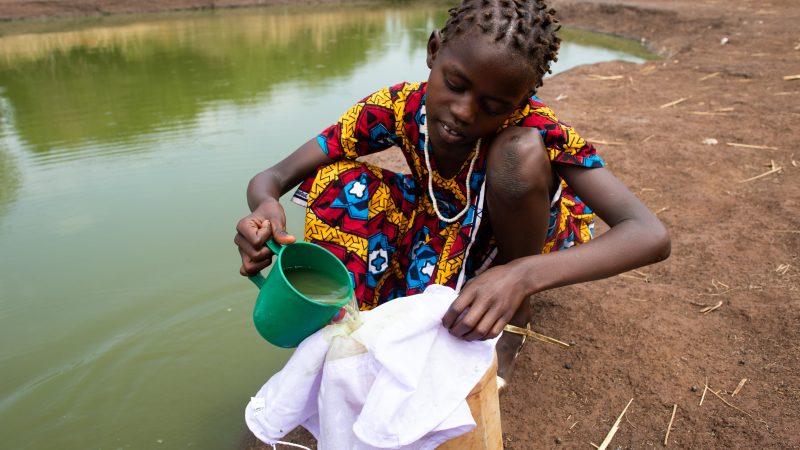
All this ensures that the dogs don鈥檛 run free, drinking potentially contaminated water and a year later re-contaminating it when they seek relief from the pain of a Guinea worm by soaking a paw beneath its cool surface.
鈥楥arter Center Staff Are There鈥�
And these are only a few of the vast network of staff and volunteers working in just two districts in western Ethiopia, near the South Sudan border. There are more in other districts in other parts of the country 鈥� and more still in the capital of Addis Ababa, where they work hand in hand with staff in Ethiopia鈥檚 Ministry of Health.
All equally dedicated. All using innovative yet simple tactics to fight a disease that can鈥檛 be wiped out by a pill or vaccine.
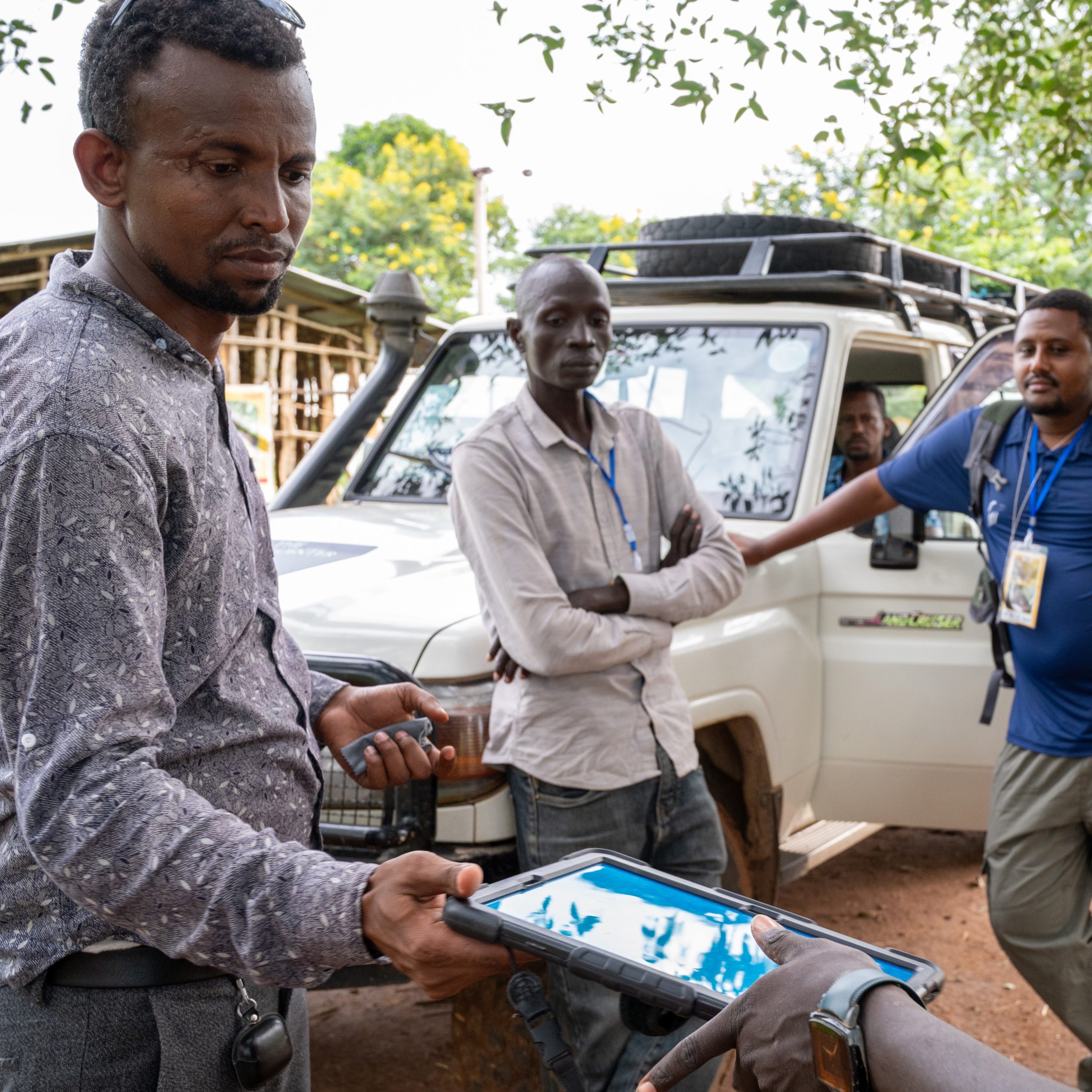
Yeshitila Mulugeta, a behavioral change communications officer now based in Addis Ababa, is tasked with helping ensure people do the things that keep them safe 鈥� like drinking through properly cleaned pipe filters and keeping infected people and animals away from water sources.
Mulugeta once held Ogebo鈥檚 job as Gog鈥檚 case center containment manager, and his face still bears the scars from motorbike accidents he had on the job.
Guinea worm work is hard, he said, but rewarding. And it has been successful because of the relationships the Carter Center team has built in communities. They show up when and where they鈥檙e needed, no matter the difficulty.
鈥淐arter Center staff will not say, 鈥業t is raining.鈥� They will not say, 鈥楾he road is not okay.鈥� They will not say, 鈥業 have to have a vehicle to go somewhere,鈥欌�� he told me. 鈥淚f the people are there, Carter Center staff are there.鈥�
That鈥檚 why I came away feeling uplifted rather than discouraged. With commitment like that, how can the Guinea worm鈥檚 days not be numbered?
Related Stories
Global Impact Starts with You
Your support sustains the Carter Center's mission of waging peace, fighting disease, and building hope around the world.