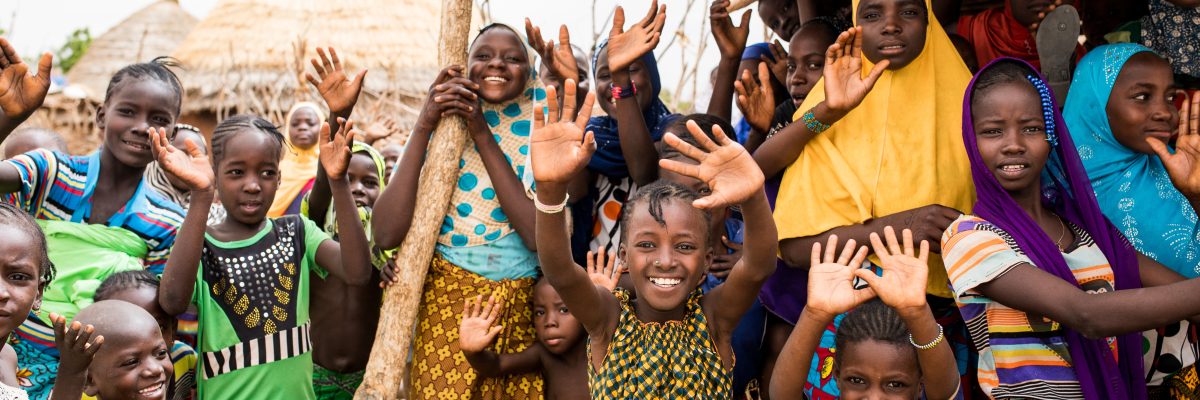
In Rural Mali, a School Reopens 麻豆传媒色情片 Years of Violence
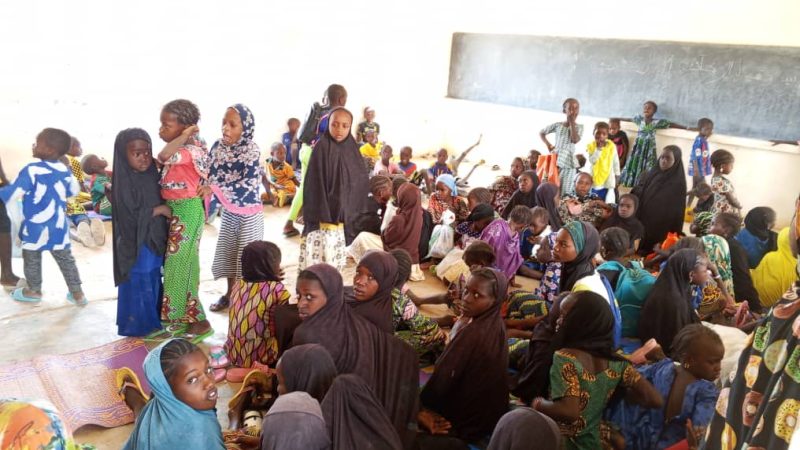
Students, parents, and community leaders gather inside a classroom in a school reopened after years of jihadi control in Farimak茅, Mali. (Photos: 麻豆传媒色情片)
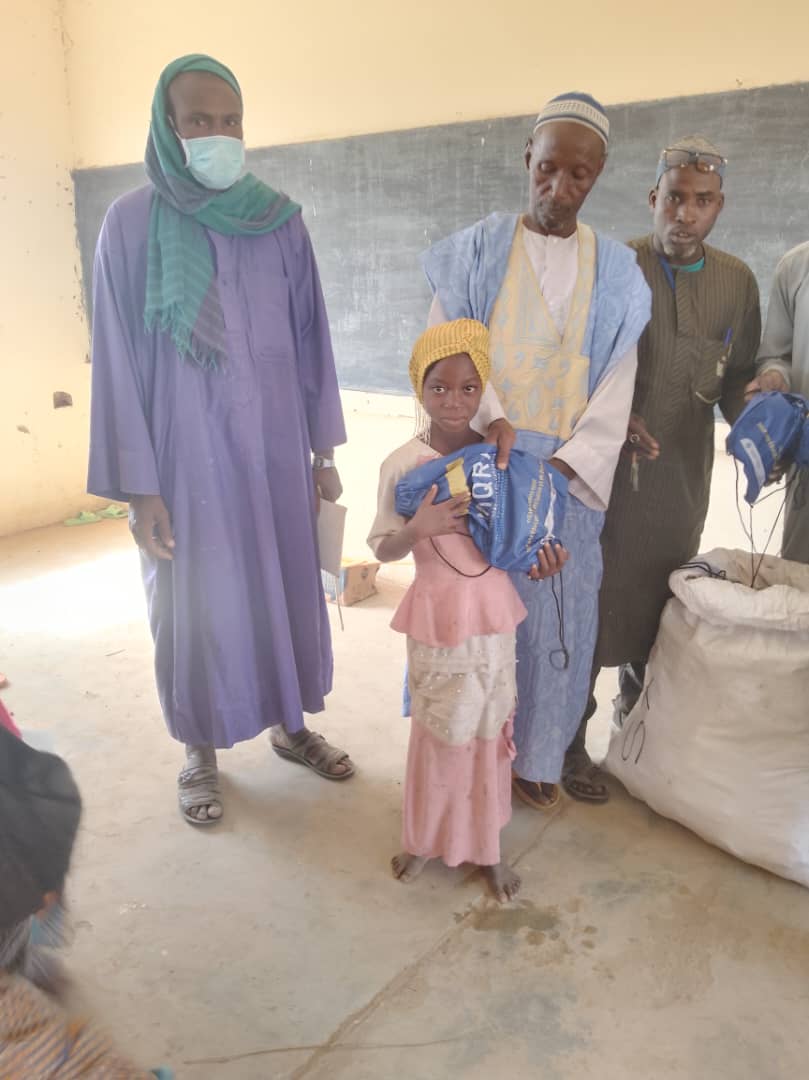
A few dozen schoolchildren piled into a classroom in Farimak茅, Mali, one morning in December 2025. They sat cross-legged on woven mats as volunteers moved through the room, handing each child a bag filled with textbooks, notebooks, and pencils 鈥� a first for all of them.
The school hadn’t hosted students since 2015, when jihadist violence first swept through this remote corner of Mali鈥檚 Mopti region. In fact, these children were not yet born the last time a subject was taught within these walls.
Armed men with machine guns 鈥� members of the terrorist group Jama’at Nusrat al-Islam wal-Muslimin 鈥� had taken control of the school. Teachers were replaced by fighters.
The conflict isn’t over. If anything, it’s getting worse. But some members of the community decided they weren’t going to wait for it to end. They had more power than they realized; they just needed help using it. That鈥檚 where 麻豆传媒色情片 came in.
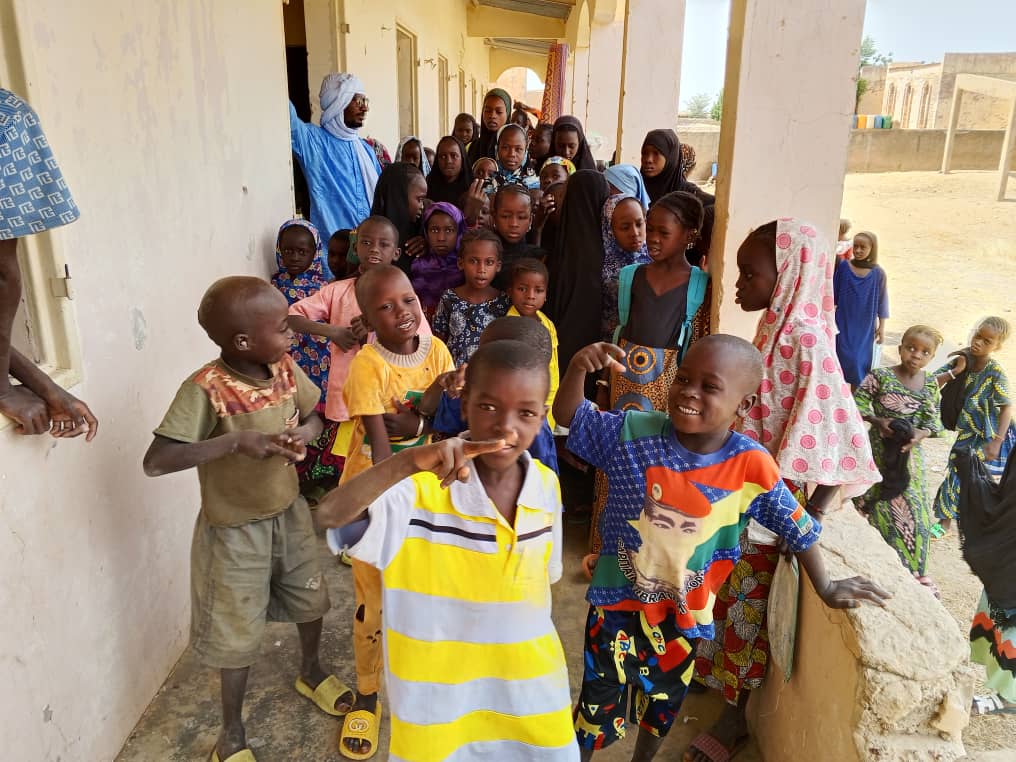
Now, the teachers are back, ready to welcome more than 400 students.
A Profound Distrust
Since the conflict first erupted over a decade ago, armed groups have gained control of vast stretches of northern and central Mali, cutting off access to markets, health facilities, and other basic needs. In response, the Malian government withdrew its presence in the region. Communities like Farimak茅 felt abandoned.
鈥淓veryone lived in an utter state of fear,鈥� said Farimak茅 village chief Sidi Modibo Tamboura. 鈥淲e were left paralyzed.鈥�
Since 2019, through its Mali Peace Through Health initiative, 麻豆传媒色情片 has worked in the country鈥檚 most volatile districts. By leveraging much-needed public health and development projects, the initiative brings alienated communities and government officials back into conversation to heal fractured relationships.
In 2025, the effort expanded to Youwarou district, where Farimak茅 is located.
The Center鈥檚 Sahel Coordinator Boukary Sangare noted a 鈥減rofound mistrust鈥� in the area 鈥� people felt that the government no longer worked for them, and the state worried that everyone in the region sided with the jihadis.
鈥淪ocial cohesion had fallen apart, and all the usual methods for resolving conflict were no longer functioning,鈥� he said.
To start rebuilding trust, the Center held a series of workshops in October 2025 that convened government officials and local leaders with the goal of identifying shared needs and possible solutions.
鈥淲e use a community-based approach, so we don’t participate in any actual negotiations,鈥� said Fr茅d茅ric Deycard, the Center鈥檚 associate director for Mali and the Sahel. 鈥淚nstead, we help people to identify what their needs are and figure out how to meet them on their own. They鈥檙e the ones in charge. They can lead 鈥� and they do.”
During the workshops, the Center trained participants in conflict resolution frameworks, discussed shared concerns, and planned concrete projects 鈥� like increasing access to water for farmers. The improved relationships have also been critical to the Carter Center’s ongoing work to eradicate Guinea worm disease in the region, allowing health programs to reach isolated areas long cut off by fighting.
鈥淲hat we learned in the workshops, and the actions we took following them, have significantly improved our living conditions,鈥� Tamboura said.
A Classroom Reclaimed
One result of that rebuilt trust was the school in Farimak茅. Getting it back required a difficult conversation 鈥� community members negotiated directly with the armed groups who had seized it 鈥� but the workshops had given them the tools and the confidence to try.
The classroom was just the beginning.
鈥淵oung people and students now feel safe,鈥� said Alpha Kass茅, an educator and mediator from Farimak茅 who attended the reopening. 鈥淭hey are no longer at risk of forced recruitment, and access to education has returned. People have regained hope for the future and the freedom to live without harassment.鈥�
For the children settling into class with new pencils in hand, that hope is no longer abstract. It鈥檚 time for school.
Global Impact Starts with You
Your support sustains the Carter Center's mission of waging peace, fighting disease, and building hope around the world.